Excessive Dust in the Production Line – Causes, Effects and Effective Dust Collection Methods
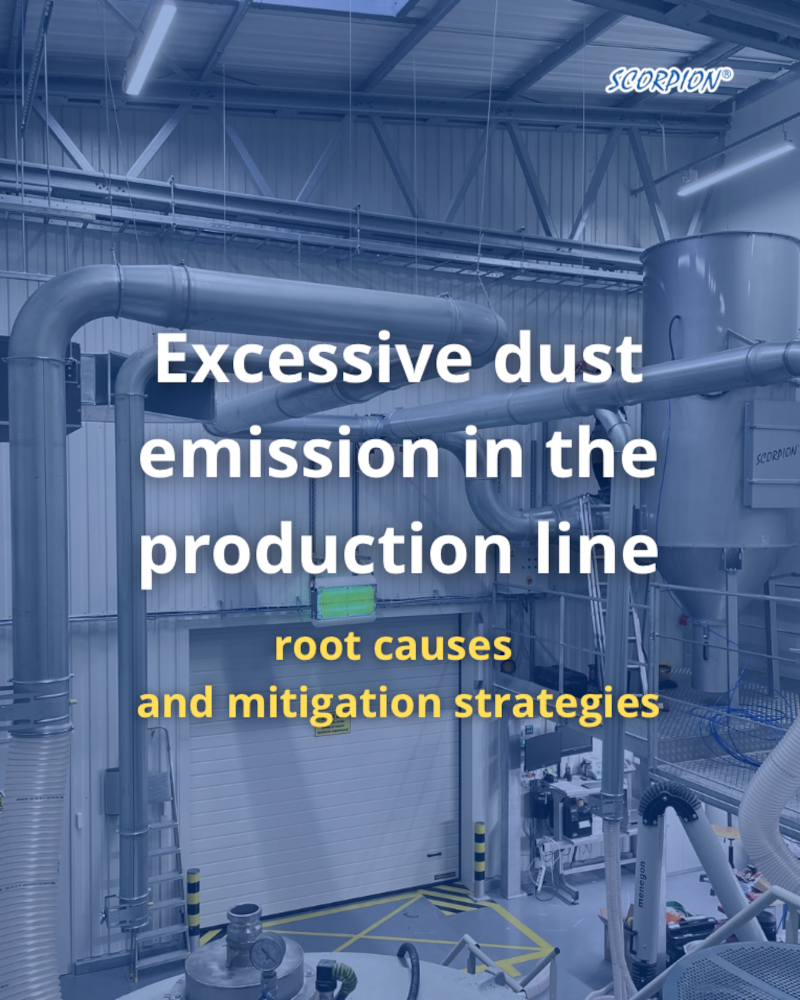
Excessive dust generation in a production line is one of the most common problems encountered in processing plants. This issue is particularly prevalent in installations operating in the pharmaceutical, food, seed, grain, and animal feed industries, as well as in other sectors where bulk materials are transported, mixed, or processed.
The absence of a properly designed aspiration system and an efficient dust collection system not only leads to deteriorating working conditions, but also results in material losses, reduced production line efficiency, and increased operational costs.
Most Common Causes of Excessive Dust:
- Lack of central aspiration at emission points – dust is naturally generated during transfers, dosing, crushing, or packaging. If the production line does not have efficient aspiration at the sources of emission, contamination quickly spreads throughout the production hall.
- Inadequate dust collection system performance – insufficient airflow, improperly sized filter surfaces, or unstable negative pressure reduce dust collection efficiency and cause secondary dust dispersion.
- Improper filter maintenance – in systems without automatic filter cleaning, filters become clogged, lowering the effectiveness of the aspiration system and increasing energy consumption.
- Leaks in the system – leaky transport ducts or design errors in the piping network disrupt airflow parameters and limit the efficiency of industrial dust extraction.
Effects of Excessive Dust in Industry
The absence of an effective dust collection system in production lines can lead to:
- deterioration of workplace health and safety conditions
- increased risk of dust explosions (especially in the grain and animal feed industries)
- contamination of the final product,
- accelerated wear of machines and components
- more frequent maintenance downtime
- challenges in meeting environmental standards
For these reasons, a properly designed industrial dust extraction system is now considered standard in modern production facilities.
How to Effectively Reduce Dust in the Production Line?
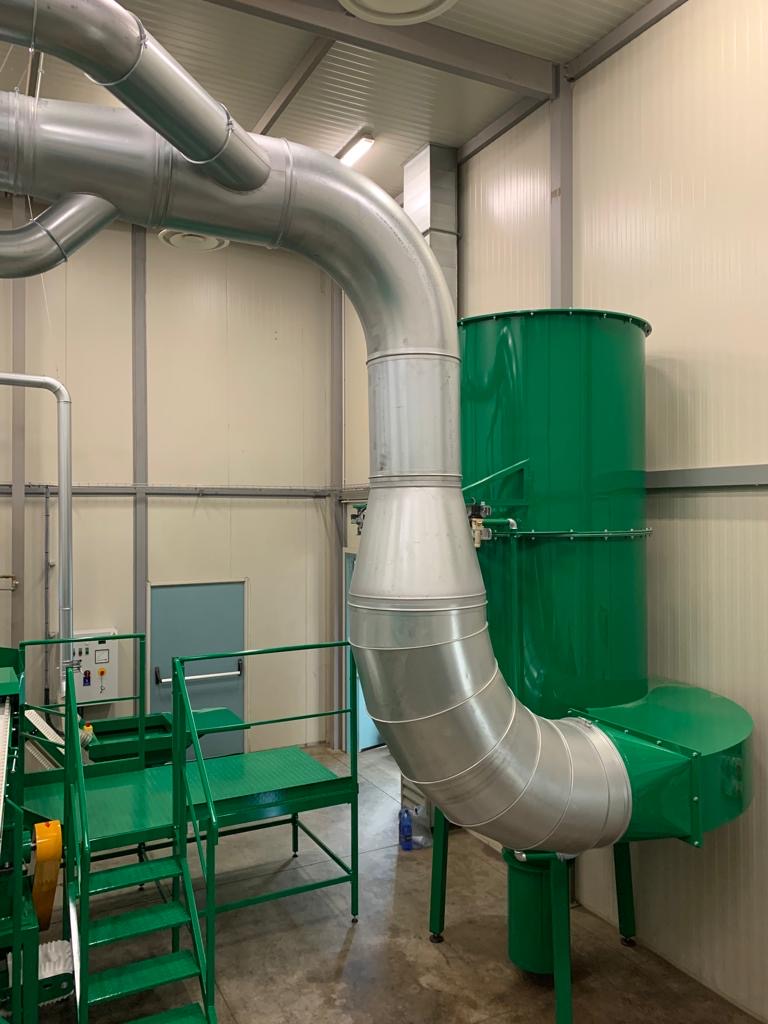
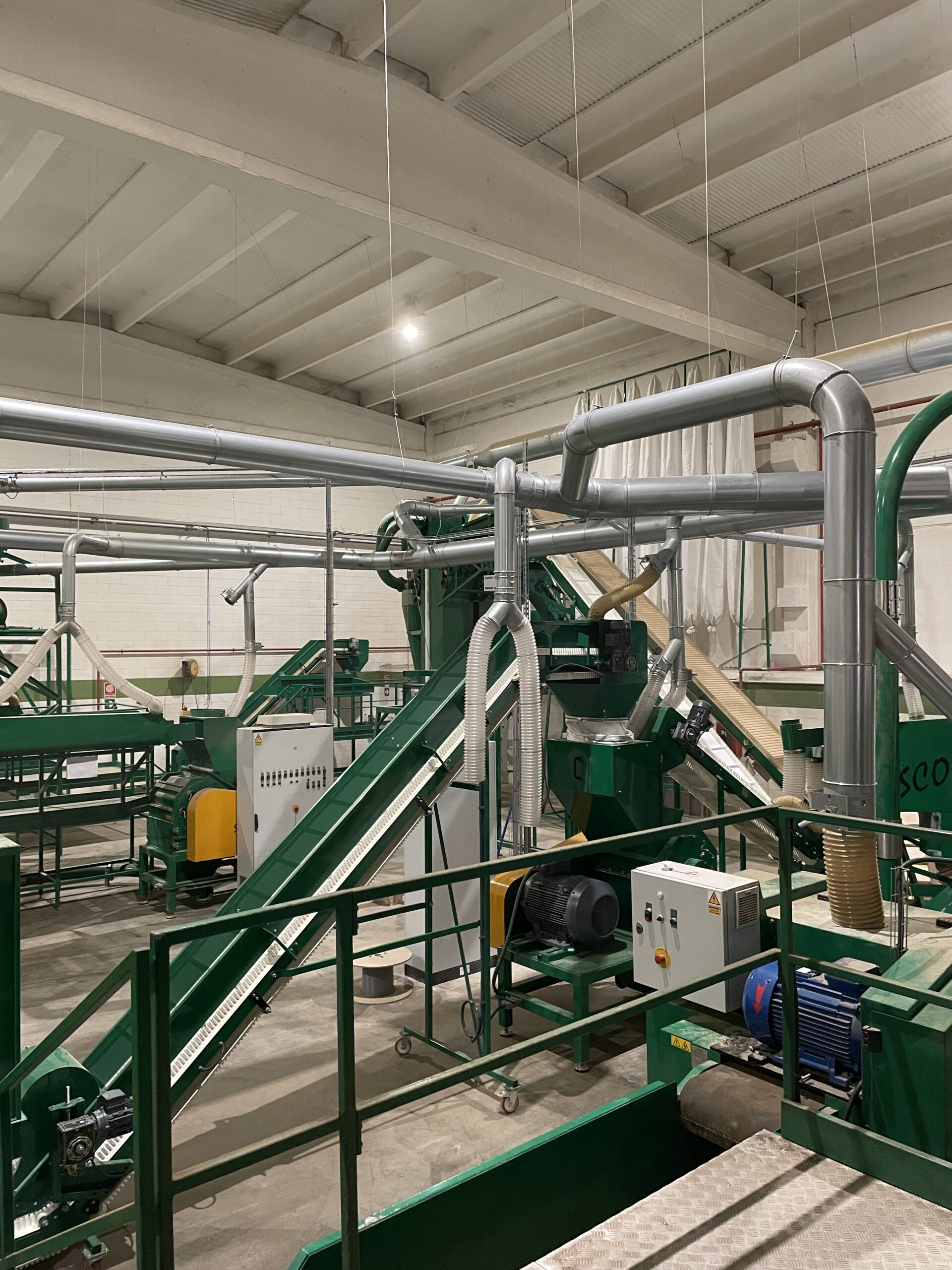
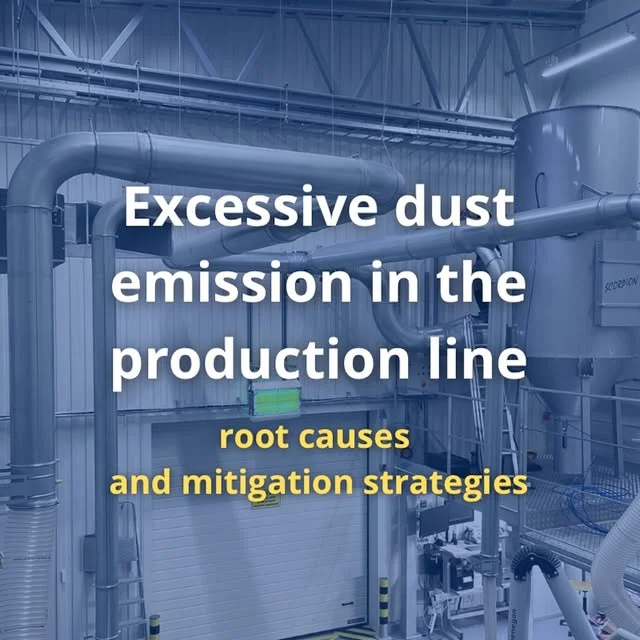
The most effective solution is a central dust extraction system, which:
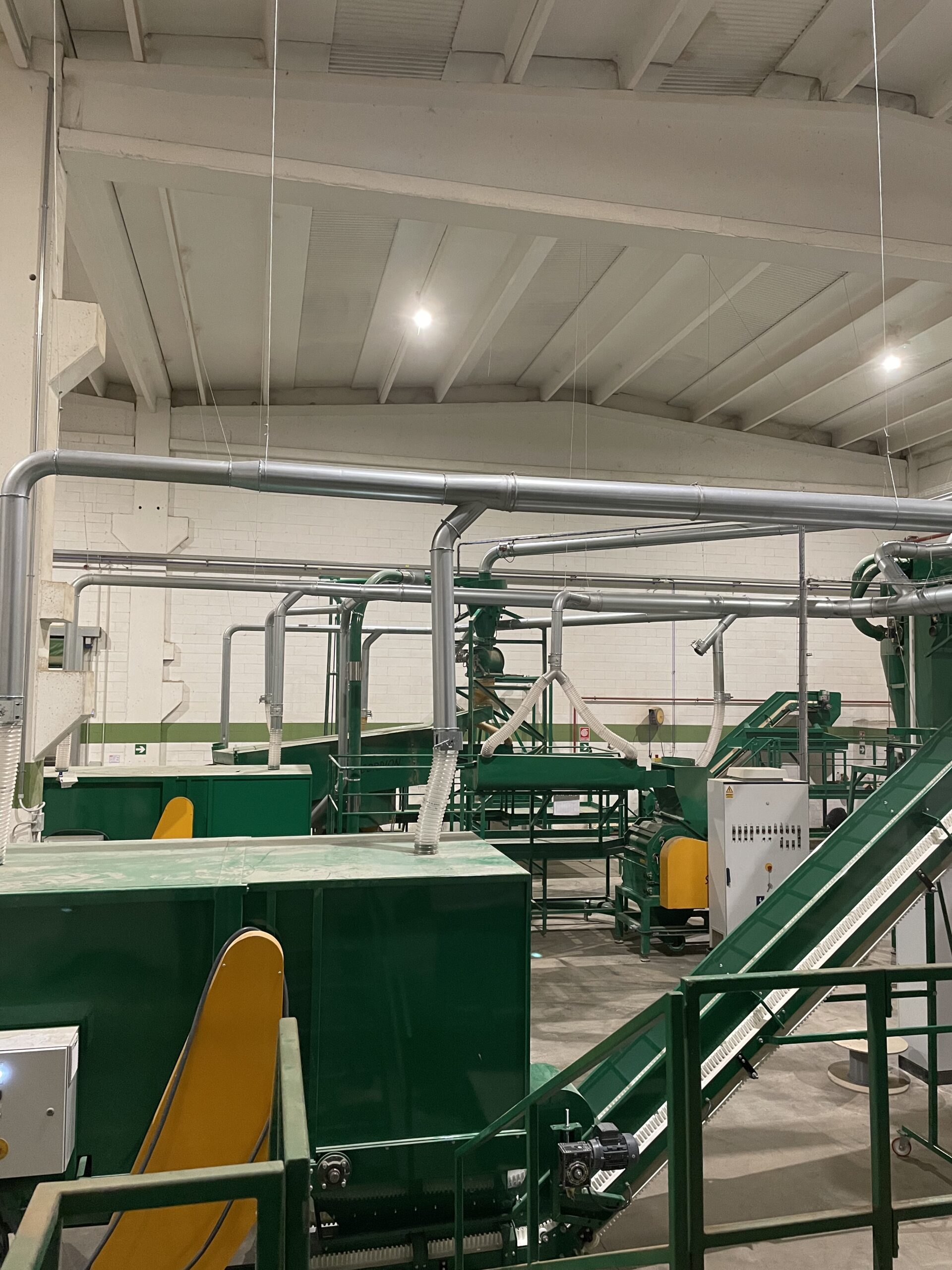
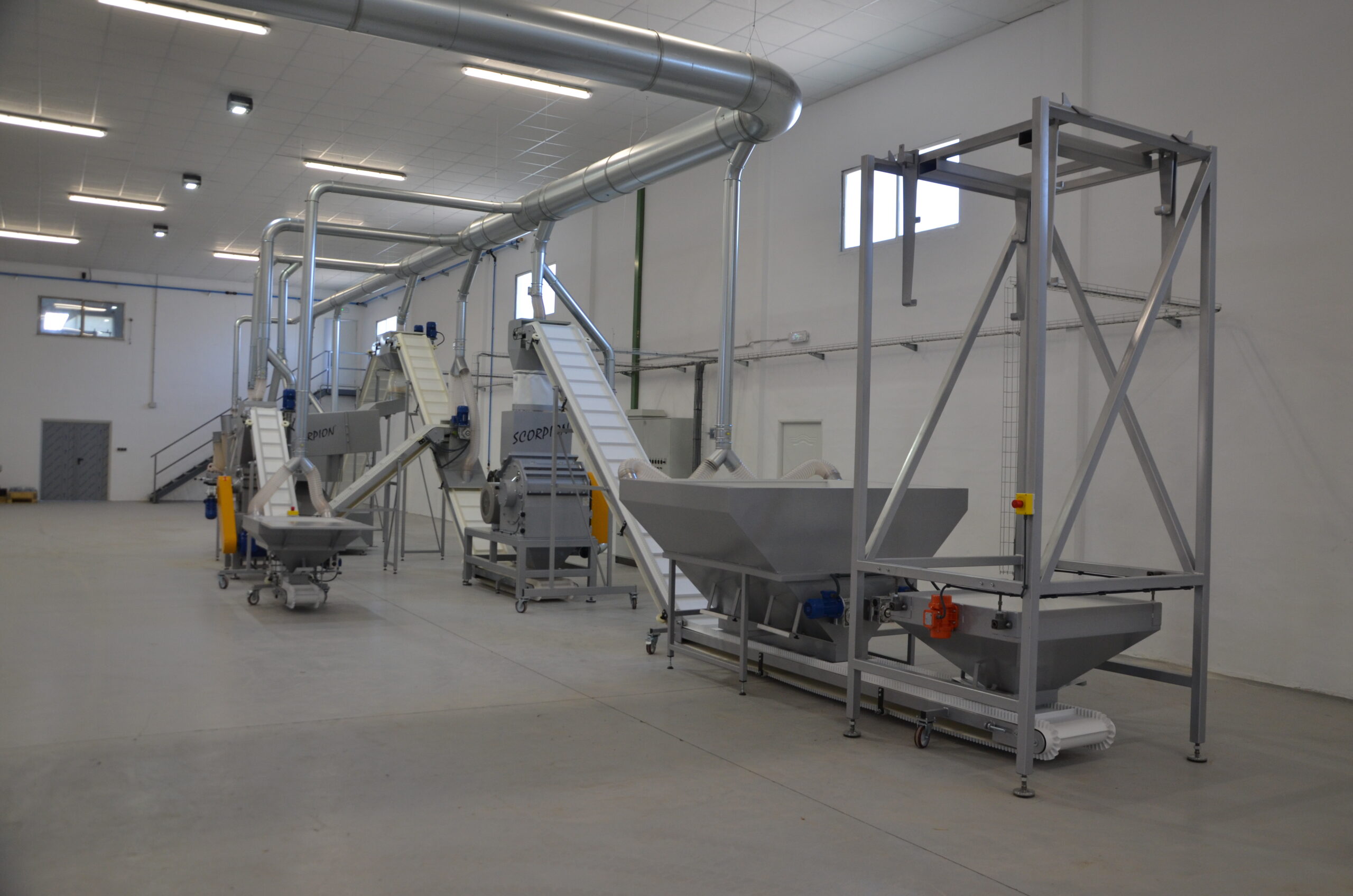
- collects contaminated air directly at the emission points,
- Transports it through a network of ducts to a filtration unit,
- effectively separates solid particles,
- allows purified air to be discharged outside or returned to the production hall,
- collects dust in a dedicated receiving container.
It is crucial to tailor the system parameters to the individual needs of the client, the type of raw material, and the specifics of the production process. Properly sized and customized equipment can significantly increase dust extraction efficiency and reduce secondary dust formation.
Scorpion Dust Extraction System
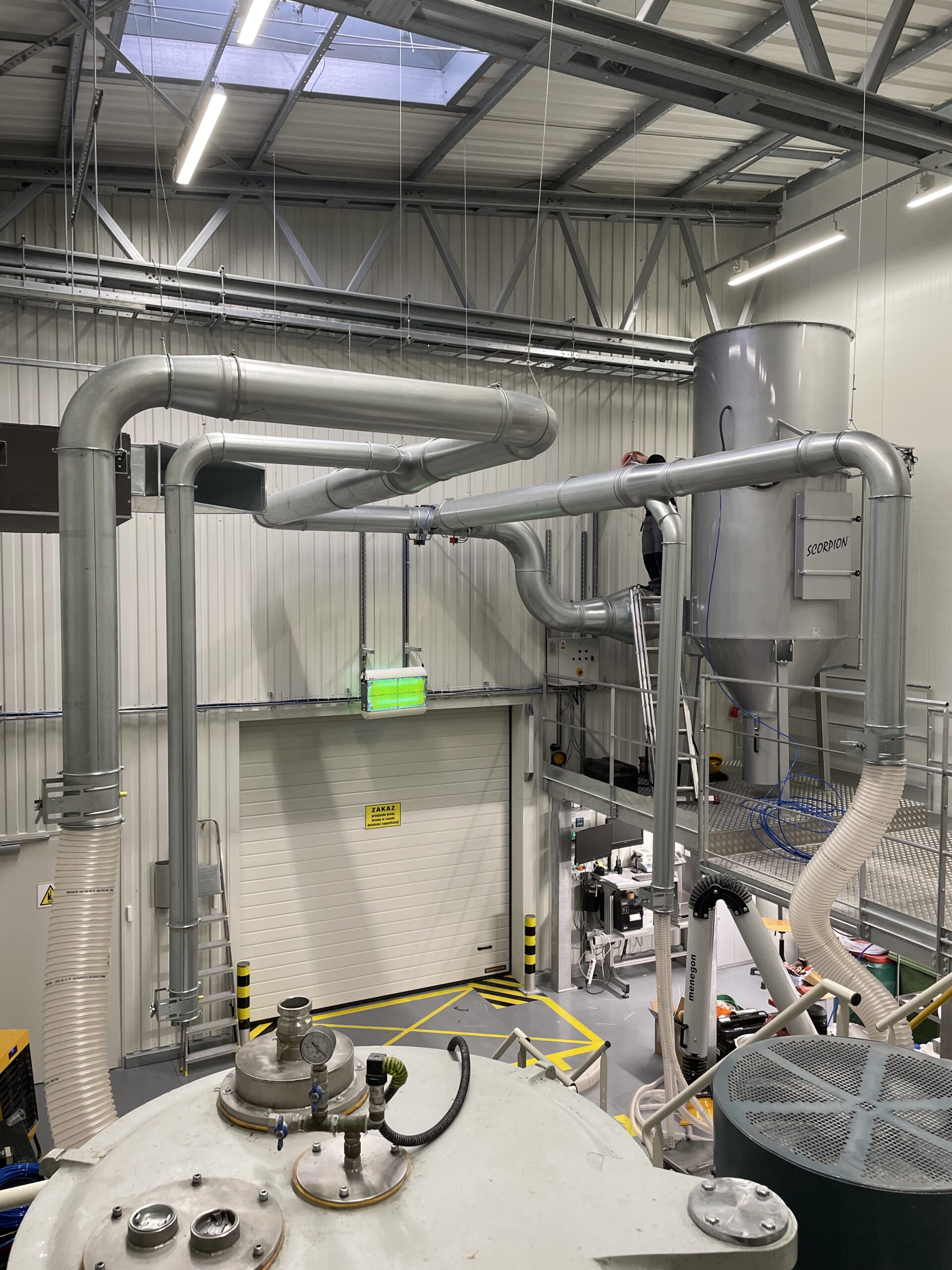
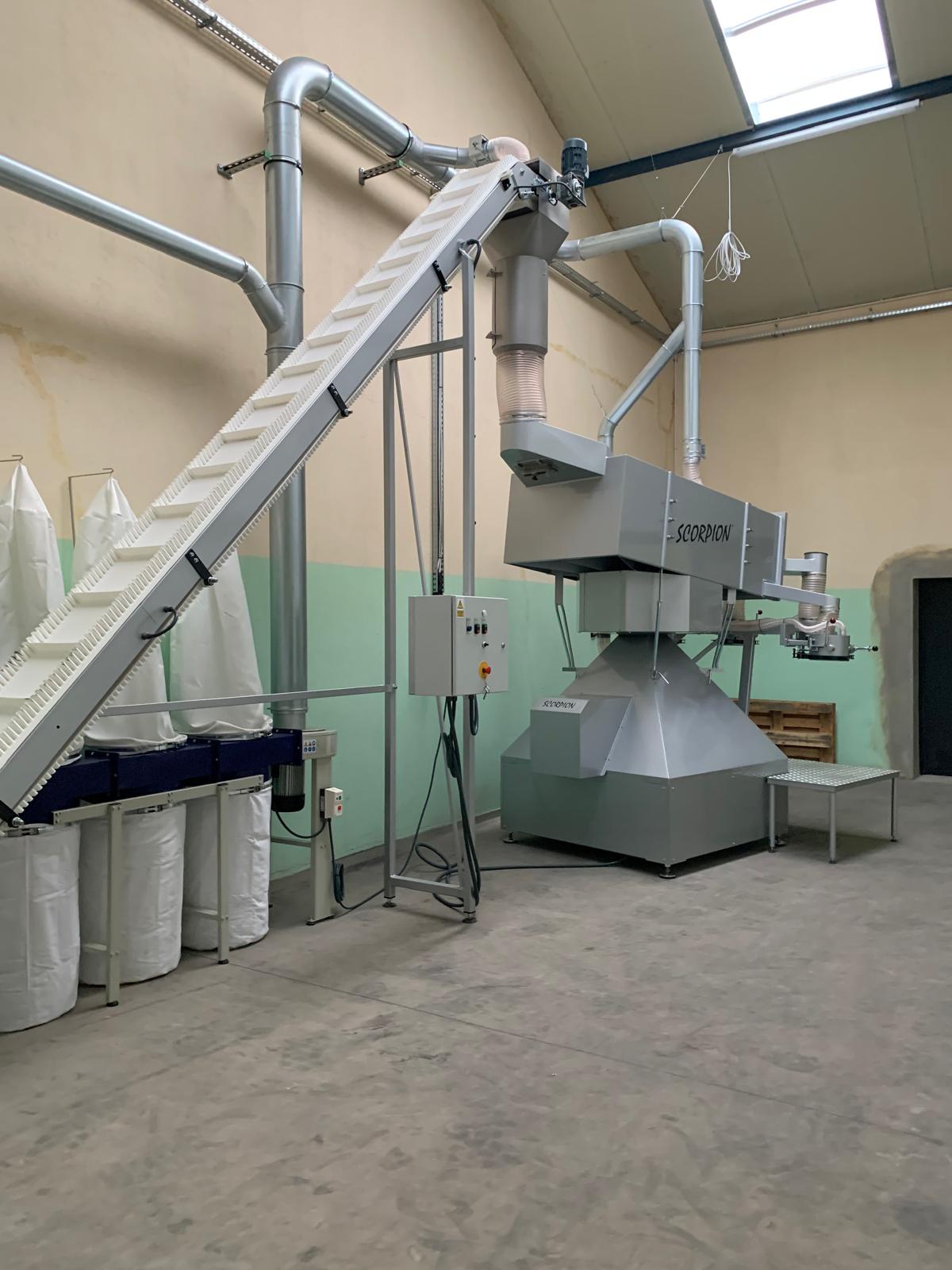
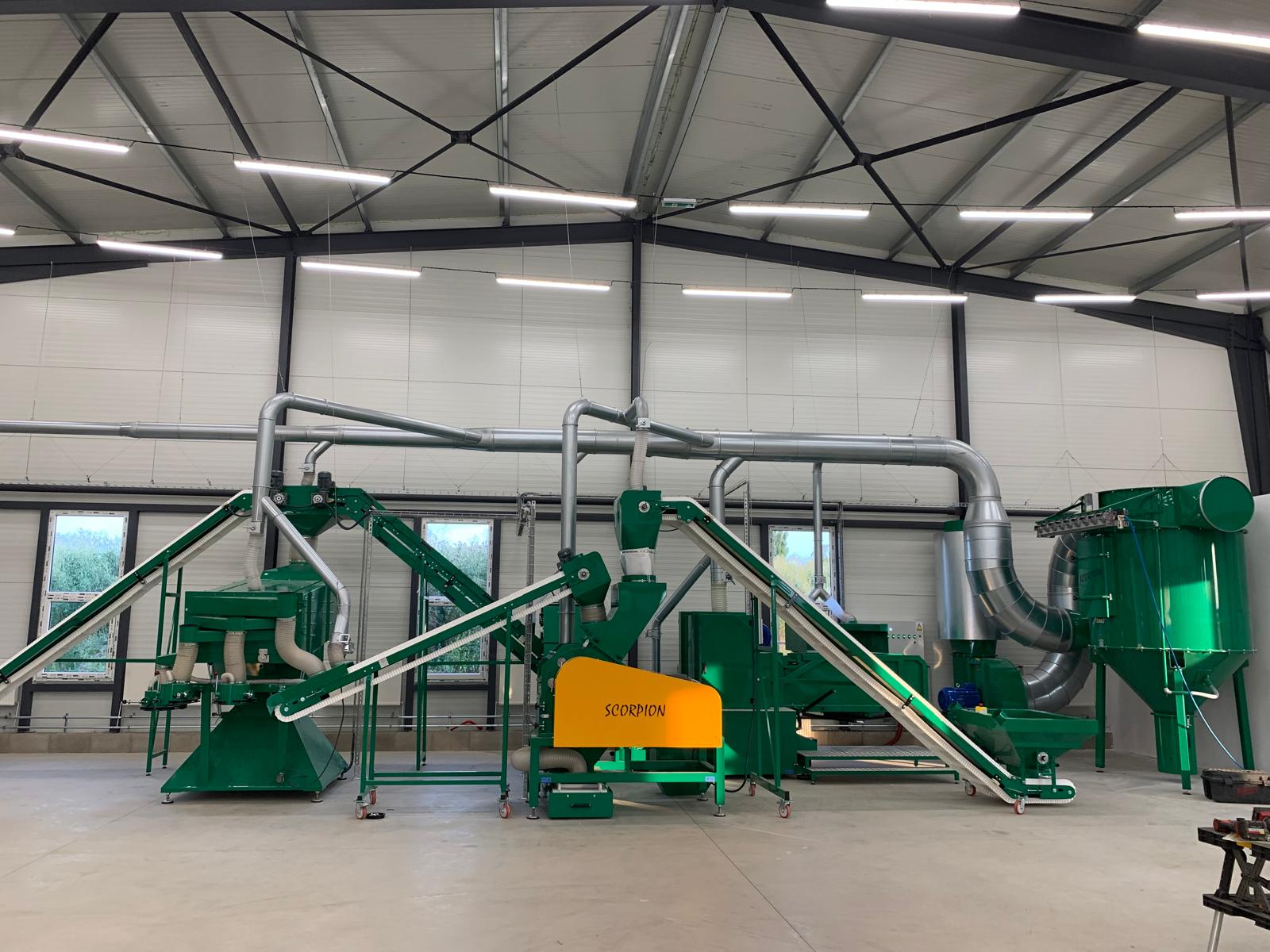
One of the solutions used for central dust extraction in production lines is the Scorpion aspiration system, designed to operate under demanding industrial conditions.
The system is equipped with:
- high-performance fan,
- Filtration unit with properly sized filter surface,
- automatic filter cleaning system using compressed air,
- dust collection container
This solution ensures consistent performance, stable airflow parameters, and optimized operational costs, making it ideal for modern production facilities.
Effective dust extraction and professional dust collection not only improve workplace comfort, but, most importantly, represent an investment in safety, product quality, and the long-term reliability of the production line.